
Nosebleeds (Epistaxis)

Nose bleeding is one of the most common conditions faced by otolaryngologists. Active nosebleeds occur in approximately 5-10% of the population each year.
90% of nosebleeds are mild and stop on their own.
Bleeding is common because the nasal mucosa is nourished by a very dense vascular network and has a dense contact with the external environment.
Nosebleeds can originate from the front or back of the nose. Bleeding from the anterior side is usually lighter and occurs due to upper respiratory tract infections, hay fever, etc. Bleeding from the back, on the other hand, occurs mostly in adults and for more serious reasons such as tumors and hypertension.
Articles in This Category
- What are the causes of nosebleeds?
- What should be the first aid during nosebleeds?
- When should a patient with nosebleed consult a doctor?
- Nosebleed treatment
- Measures to prevent simple nosebleeds
Related topics
-

Allergic Rhinitis (Hay Fever)
An increasing number of problems in recent years: Hay fever (Allergic rhinitis) If you have similar complaints every yea…
-

Nasal Congestion
The nose is a complex organ with different functions, the most important function of which is respiration. It is respons…
-

Sinusitis and Sinus Surgery
The air chambers associated with the nasal cavity located around the nasal cavity are called sinus (paranasal sinus). In…
-
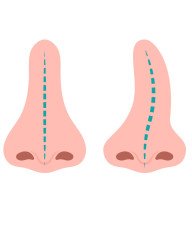
What Is Deviated Septum Surgery (Septoplasty)?
Septum deviation (septoplasty) surgery is a 60-90 minute procedure that corrects cartilage and bone curvatures in the na…